

The Short Version
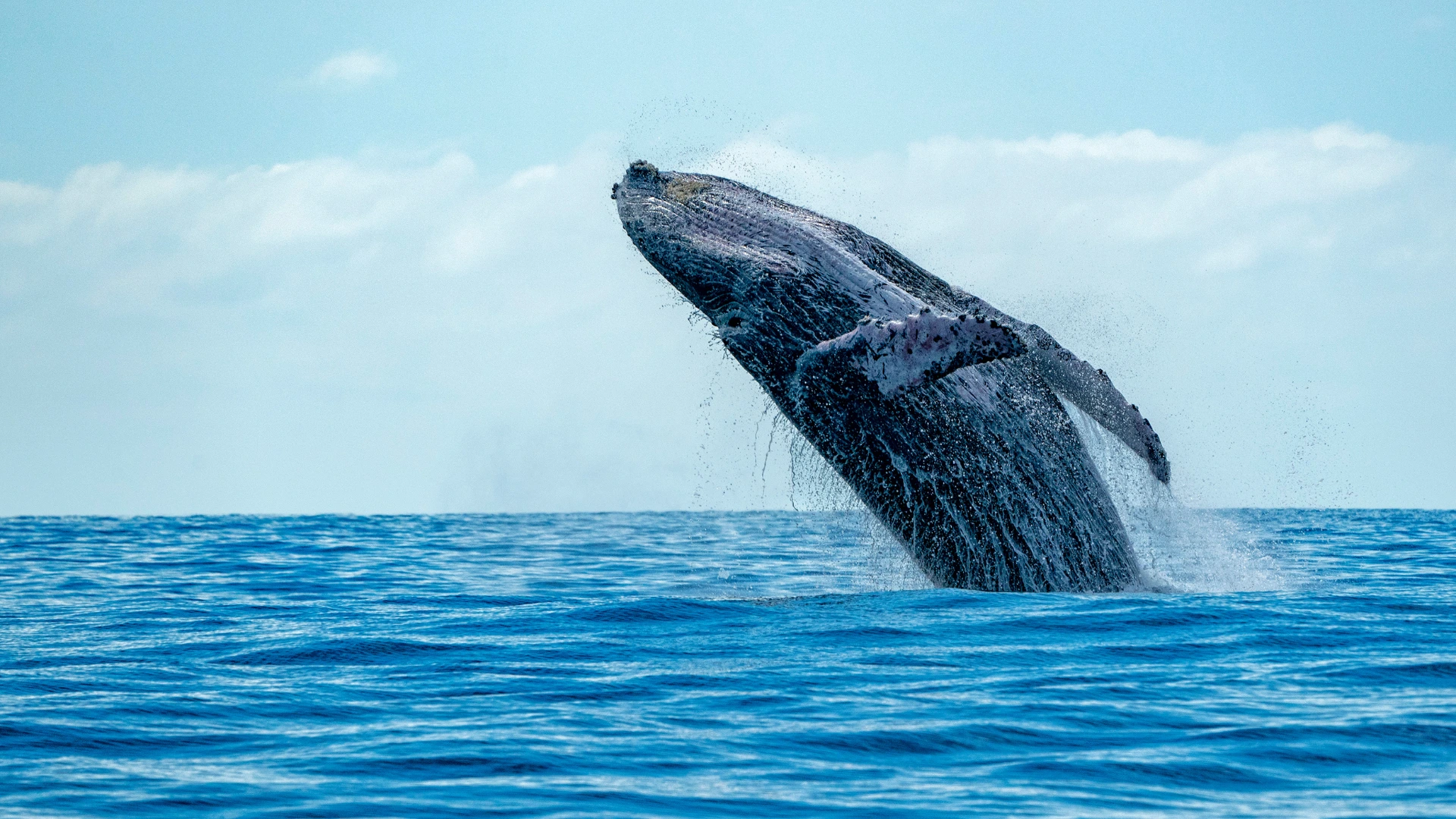
Standing on the deck of a small boat as a blue whale — the largest animal that has ever lived, longer than a Boeing 737 — slowly breaks the surface beside you is one of the great wildlife moments on Earth. And Mirissa, on Sri Lanka's southern coast, is one of the few places where you can reliably experience it.
But here's what the tour ads don't show you: the 6 AM harbour scramble, the hours of scanning an empty horizon, the queasy stomachs, and the flotilla of boats that sometimes crowd a single whale. Whale watching in Mirissa is not a polished, guaranteed attraction — it's a real encounter with wild animals in the open ocean. That unpredictability is exactly why people remember it.
This guide is the honest version — written to help you decide whether it's right for you, when to go, and how to have the best (and kindest) possible experience.
Timing Is Everything
When to Actually Go
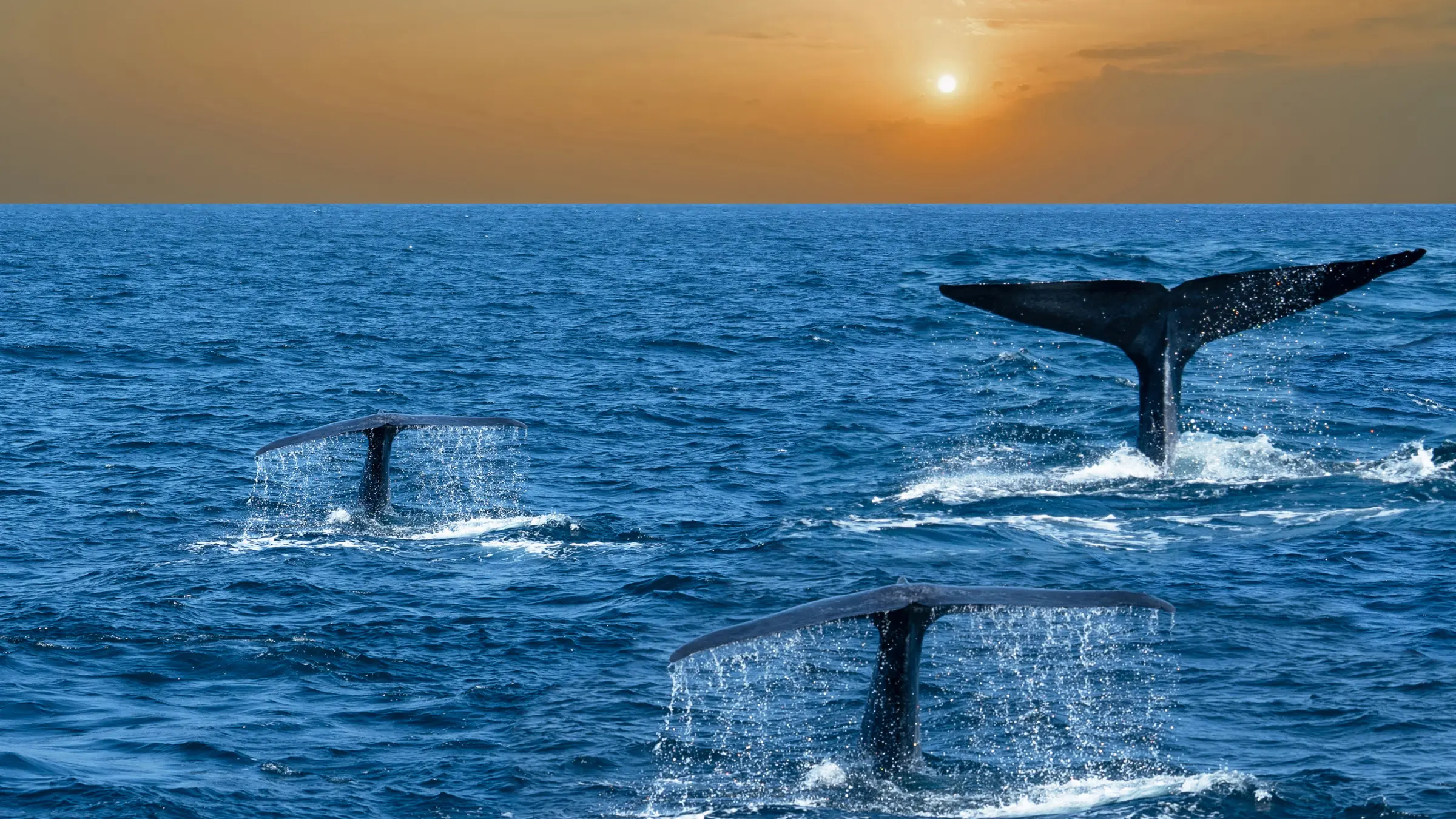
Calm dry-season seas — the difference between a great trip and a rough one
The whale watching season in Mirissa runs from November to April, with December to March being the absolute sweet spot. During these dry-season months, the southern coast enjoys calm seas, clear skies and the best light — and sighting rates climb to around 90%.
Outside this window, from May to October, the south-west monsoon churns the ocean. Most reputable operators stop running entirely, and the boats that do go out face rough water and far lower chances. If someone offers you a "great deal" in June, that's a red flag, not a bargain.
An Honest Note on Sightings
Blue whale numbers off Sri Lanka have declined since 2018, and some recent seasons have seen fewer blue whale encounters than the golden years. The good news: sightings of Bryde's whales, sperm whales and dolphin pods remain excellent, and spinner dolphins appear on roughly 95% of trips. Go in with realistic expectations and you'll rarely be disappointed.
| Months | Sea Conditions | Verdict |
|---|---|---|
| Dec – Mar | Calmest, clearest | Peak — go now |
| Nov & Apr | Good, occasional swell | Good shoulder |
| May – Oct | Rough monsoon seas | Avoid |
What Actually Happens
The Boat Reality
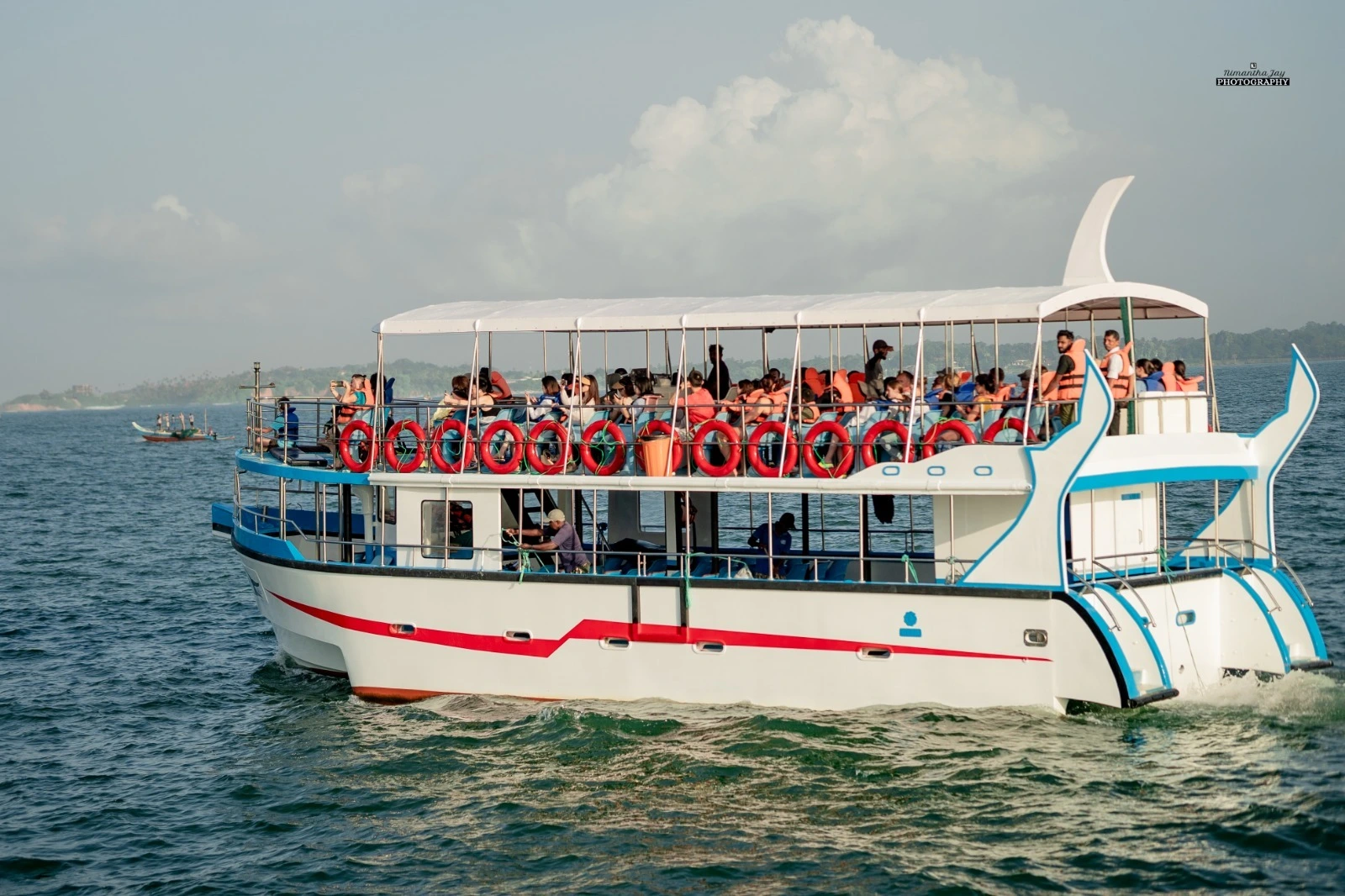
Boats leave Mirissa harbour at first light — be there by 6 AM
Here's the timeline nobody puts in the brochure. You'll be picked up from your hotel in the dark and asked to be at Mirissa Harbour by around 6 AM — boats wait for nobody. Departure is usually 6:30 to 7:00 AM, when the water is calmest and the light is best.
The continental shelf drops off sharply just a few kilometres from shore, so blue whales swim surprisingly close to land. That said, reaching whale territory still takes time, and the trip runs 3 to 5 hours total. On a lucky day you'll spot something within an hour or two; on a rough day you'll spend a long time scanning an empty horizon. You're usually back at the harbour by 10 or 11 AM.
What's Usually Included
- Hotel pick-up and drop-off (most operators)
- Life jackets and safety briefing
- Light breakfast or snacks and water on board
- An English-speaking crew spotting for whales
The #1 Thing Nobody Warns You About
Seasickness Is Real
Everyone tells you to go whale watching. Almost nobody tells you it can get rough. Once you leave the shelter of the harbour, the open ocean swell hits — and even people who never get motion sick can find themselves green over the rail. It's the single most common regret we hear from travellers.
The good news: it's largely preventable. Here's exactly what works:
Take a tablet — twice
Stugeron or Avomine the night before AND ~1 hour before departure
Eat light, skip coffee
Toast and banana only. Coffee and greasy food make it worse
Stay on deck
Fresh air outside beats the stuffy cabin every time
Watch the horizon
Fix your eyes on the distant horizon, not the water or your phone
Choose Carefully
Not All Operators Are Equal
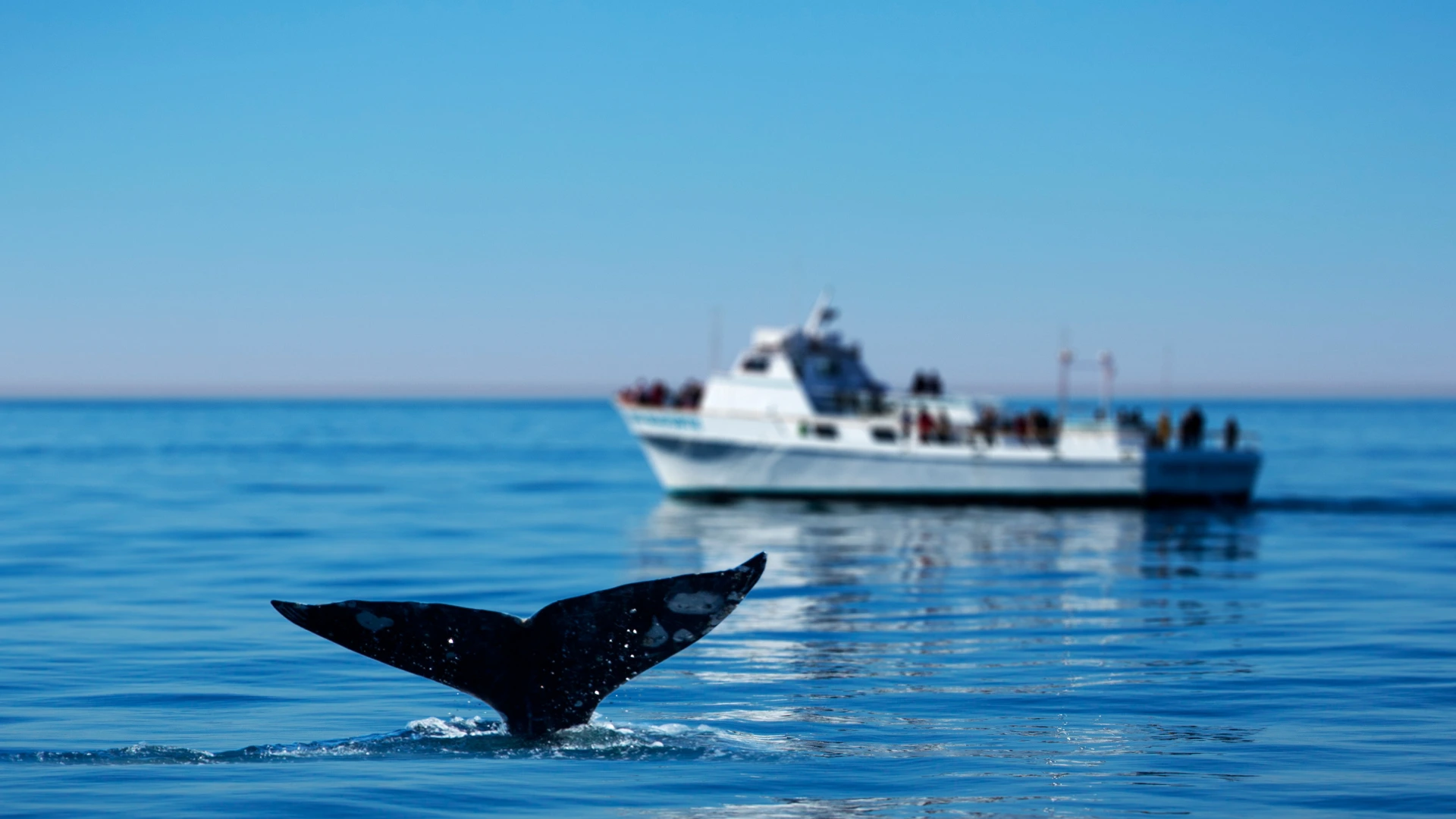
Responsible boats keep their distance and cut the engine near whales
This is the part that matters most — and the part cheapest tours ignore. Mirissa's whale watching is highly competitive. When one boat spots a whale, the location gets shared, and suddenly a flotilla converges. The worst operators chase whales, approach too fast, and crowd them just to give passengers a quick look.
Responsible operators behave differently: they keep their distance, cut the engine when an animal surfaces nearby, and follow Sri Lanka's Sea Mammals Regulations. You can often tell them apart right at the harbour — the ethical boats tend to be smaller, calmer, and they don't oversell every last seat.
How to Spot a Good Operator
- Mid-range pricing ($50–$65) usually signals better ethics and comfort
- They follow the 100-metre no-approach rule around whales
- Smaller boats, not packed to capacity
- They cut engines rather than chasing for a closer look
- Look for SLTDA-registered operators and marine research partnerships
The bottom line: the extra few dollars for a responsible operator is the best money you'll spend — for the whales and for your own experience.
The Main Event
What You'll See
Mirissa's headline act is the blue whale — up to 30 metres long and 200 tonnes, heavier than any dinosaur, with a heart the size of a small car. They feed almost entirely on krill, filtering up to four tonnes a day. Seeing one surface is genuinely humbling.
But blue whales aren't the only stars:
- Sperm whales — the largest toothed predator, often seen in the deep offshore waters
- Bryde's whales — increasingly common and highly active near the surface
- Spinner dolphins — seen on ~95% of trips, often in pods of hundreds, leaping and spinning alongside the boat
- Orcas — rare, but a thrilling occasional visitor
- Sea turtles and flying fish — frequent companions on the water
Pack Smart
Insider Tips & What to Bring
Sun protection
The equatorial sun is brutal on open water — hat, sunscreen, sunglasses
Light jacket
The early morning wind and spray can feel cold before the sun rises
Water & snacks
Stay hydrated; bring a light snack even if breakfast is provided
Camera on a strap
Secure it — a wet, rocking deck is no place for a loose phone
Book the day before
Confirm the night before; trips depend on next-morning sea conditions
Grippy footwear
Decks get wet and slippery — avoid flip-flops if you can
FAQs
Frequently Asked Questions
November to April, with December to March being the absolute peak. During these dry-season months the seas are calmest and sighting rates reach around 90%. May to October brings monsoon seas and most operators stop running.
No — these are wild animals. But in peak season most boats return having seen at least one whale, and spinner dolphins appear on around 95% of trips. Many reputable operators offer a free second trip or partial refund if no whales are seen.
Standard tours cost between USD $50 and $80 per person in 2026. The mid-range $50–$65 bracket usually aligns with the more responsible operators. Very cheap boats tend to be larger, more crowded and less careful around the animals.
Take a tablet (Stugeron or Avomine) the night before and an hour before departure. Eat a light breakfast of toast and banana, skip coffee, stay on deck, and keep your eyes on the horizon.
Mirissa is about a 2.5-hour drive from Colombo via the southern expressway, and roughly 40 minutes from Galle. It sits on the south coast between Galle and Matara, making it easy to combine with a Mirissa day tour of the beaches, coconut tree hill and coastal sights.
Ready to See a Blue Whale?
Book an Ethical Mirissa Whale Watching Tour
Sinhagiri Tours arranges responsible whale watching trips with SLTDA-registered operators who respect the marine code — plus hotel pick-up from anywhere on the south coast. Combine it with our Mirissa day tour to make the most of the coast, and we'll only recommend going when conditions are right.